Case Studies
The most effective communications programs don’t just generate headlines—they advance business strategy. These case studies highlight how disciplined communications helped shape perception, build reputation, and deliver measurable business impact across some of the world’s most recognizable brands.
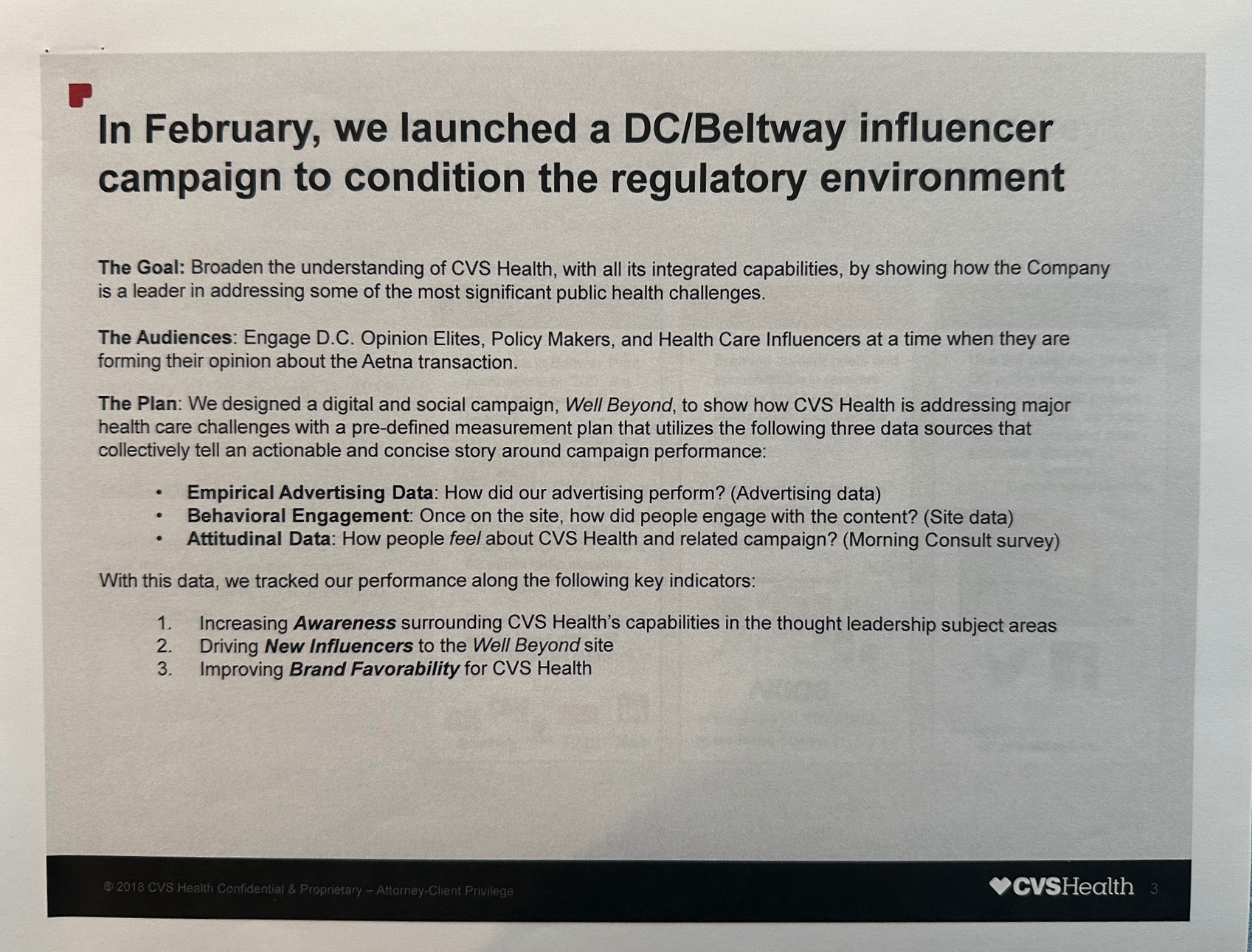
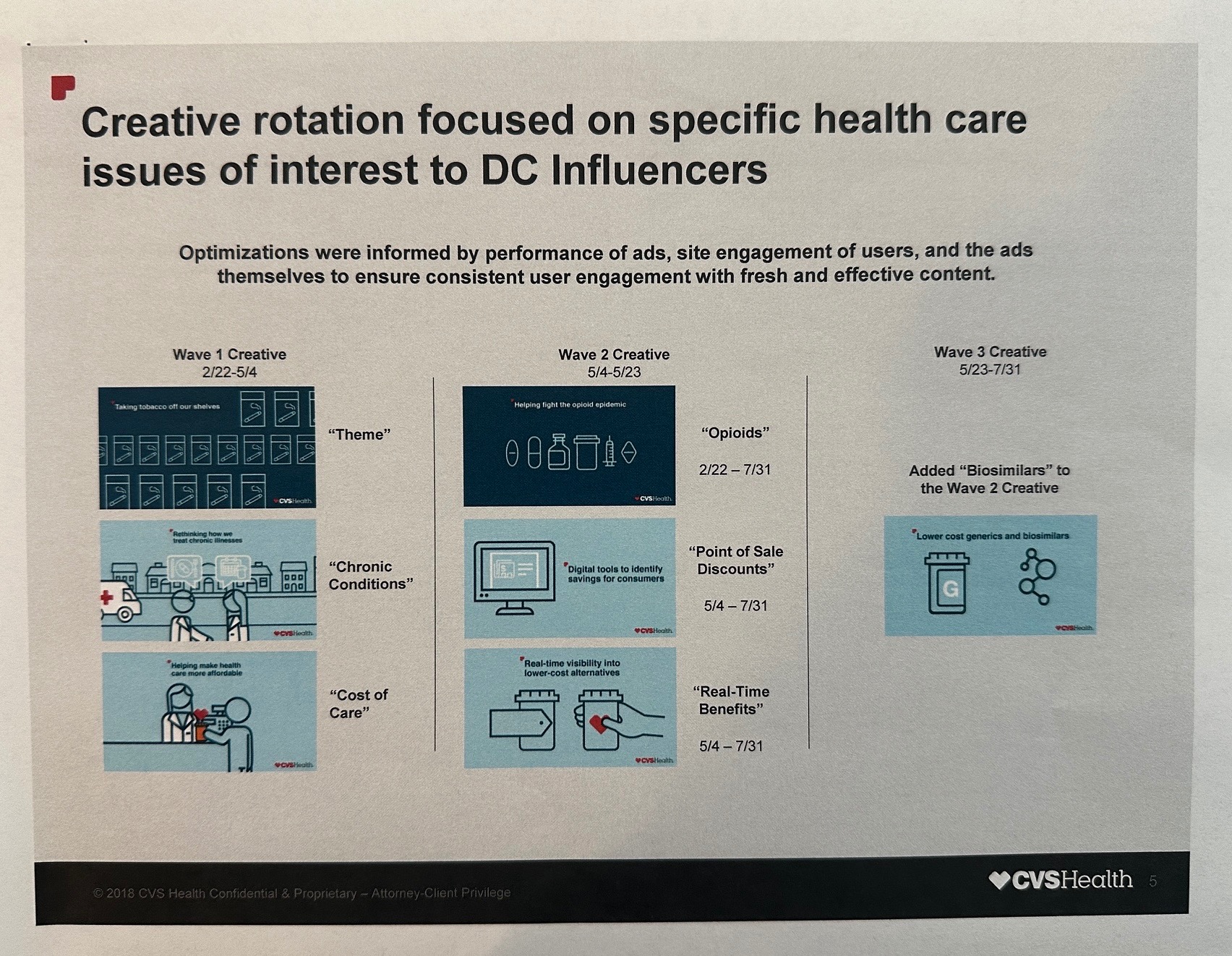
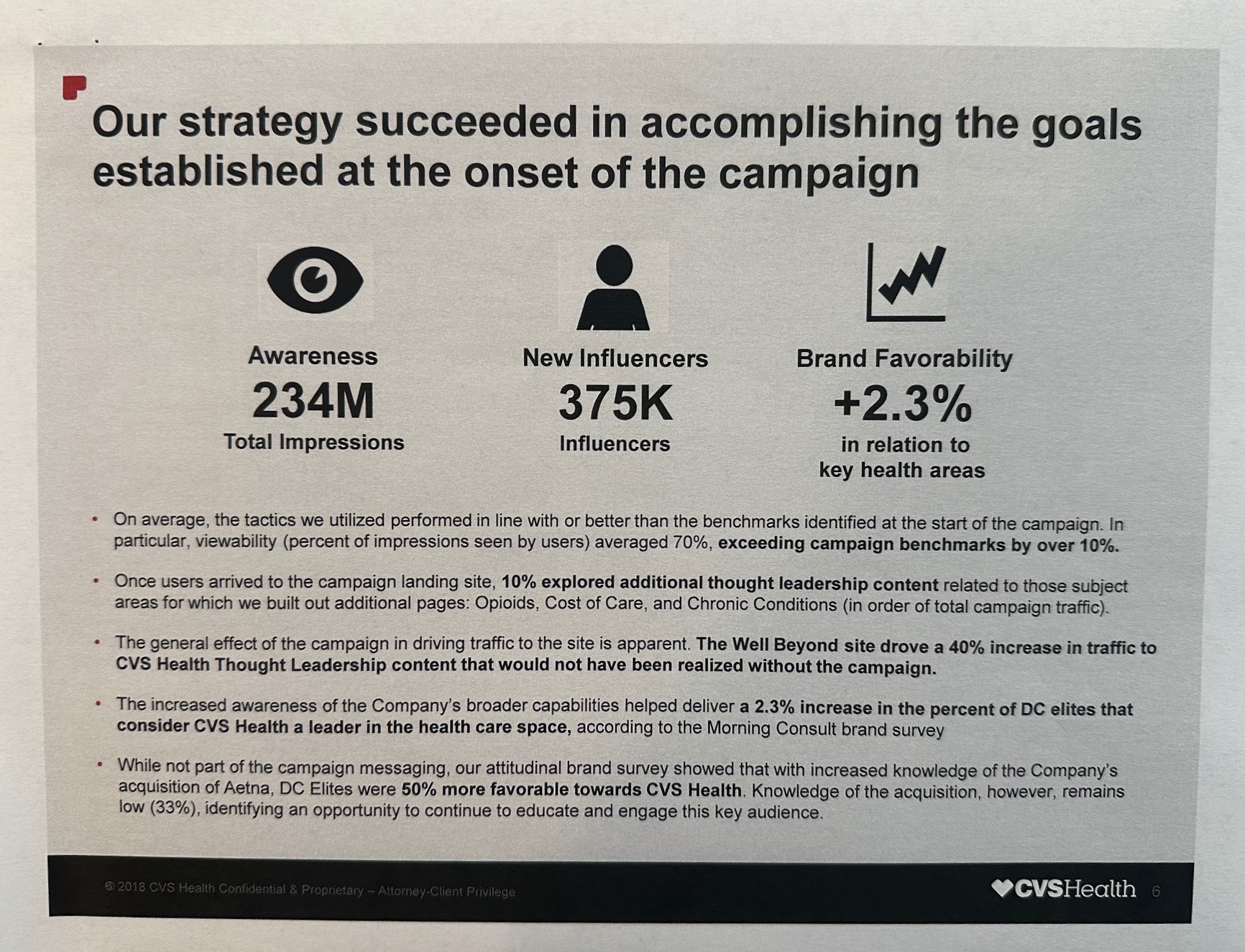
CVS Health: “Well Beyond” - Shaping Perceptions to Accelerate Transformation
Following the $70B Aetna acquisition, CVS Health faced a perception gap. Despite becoming one of the nation’s largest healthcare companies, many consumers, investors, policymakers, and media still viewed CVS primarily as a retail pharmacy. Communications needed to reshape the company’s identity around its broader role in improving healthcare.
Communications Strategy
Communications developed the “Well Beyond” platform to articulate a clear enterprise narrative: CVS Health was helping people move beyond treating illness to achieving better health. Rather than leading with products or acquisitions, the campaign focused on integrated care, consumer convenience, affordability, and whole-person health. The strategy unified executive communications, earned media, digital storytelling, thought leadership, employee engagement, and marketing around a single brand promise that connected pharmacy, health benefits, primary care, and community health. The narrative reinforced that CVS Health was no longer simply a place to fill prescriptions—it was becoming a trusted health solutions company.
Results
The “Well Beyond” platform provided a consistent enterprise narrative during a period of significant transformation, helping reinforce the strategic rationale for the Aetna acquisition and strengthening CVS Health’s position as a leader in integrated healthcare. It created a communications framework that aligned stakeholders around the company’s long-term purpose while supporting brand, reputation, and business objectives. 
CVS Health: Turning Corporate Purpose into Reputation Strategy
In 2020, CVS Health moved beyond a traditional corporate giving model and used the company’s national scale, community presence and healthcare expertise to address meaningful public health challenges—while strengthening CVS Health’s reputation and supporting key business priorities. Review the strategy ➡️
CVS Health built an integrated CSR and community investment strategy explicitly aligned with business imperatives, stakeholder priorities and reputation. Philanthropic investments were designed not only to generate community impact, but to create leadership opportunities that demonstrated the company’s health care expertise and generated compelling stories around its strategic investments.
The approach combined three reputational levers: year-round community programming, targeted local giving and large-scale signature initiatives. Investments were informed market by market by local health disparities, CVS Health’s existing presence, stakeholder engagement opportunities, the political environment and business priorities.
Bringing the Strategy to Life. Signature initiatives addressed some of the country’s most consequential health challenges. Project Health planned more than 800 community health events, including 20 HealthHUB launches and expanded social determinants of health services. The strategy also included opioid treatment and recovery programs, vaping prevention and education, maternal health, food insecurity, access to care and the Healthiest Cities & Counties Challenge. Colleague engagement was designed to contribute more than $10 million in volunteer hours to the broader Building Healthier Communities initiative.
Local philanthropy was increasingly data-driven. CVS Health combined community health and demographic information with its business footprint and maintained state-level dashboards tracking grants, campaigns, Project Health activity and other investments—allowing the company to direct resources where community need and strategic opportunity intersected.
Creating Reputation Moments. Rather than treating CSR as a series of disconnected donations, the strategy created a calendar of high-visibility storytelling opportunities. These included the CSR Report and new sustainability commitments tied to Earth Day; thought leadership around opioid response; the announcement of 20 Healthiest Cities & Counties cohorts; new opioid-use-disorder partnerships; initiatives addressing maternal health and food insecurity; and the culmination of CVS Health’s five-year, $50 million Be The First tobacco-prevention commitment, which the company reported had outperformed the majority of its goals.
Impact. The result was a more strategic model for corporate responsibility—connecting purpose, public health, business strategy and reputation. CVS Health used its community investments to demonstrate its transformation from a traditional pharmacy retailer into a health care leader, while creating a pipeline of credible proof points and stories that could engage consumers, employees, policymakers, community leaders and other stakeholders.
The work illustrates how corporate communications can turn CSR from a philanthropic function into a strategic reputation platform—using data, partnerships and measurable community impact to reinforce the enterprise narrative.
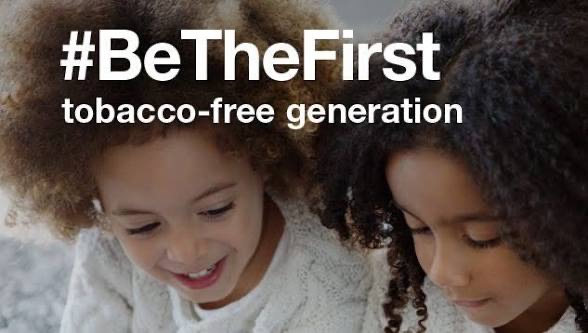
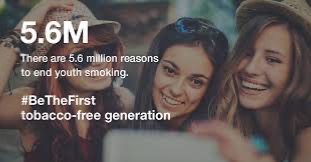
When CVS Health made the decision in 2014 to stop selling tobacco products, it walked away from roughly $2 billion in annual tobacco revenue. The move wasn’t simply about removing cigarettes from store shelves—it was about redefining the company’s identity from a traditional retailer to a healthcare company.
Two years later, the challenge was how do we prove this wasn’t a one-time announcement, but a sustained public health commitment? That led to Be The First, a five-year, $50 million initiative to help create the nation’s first tobacco-free generation through education, advocacy, tobacco control, and healthy behavior programs.


USGA: Reframing Pace of Play Through Culture
Pace of play had become one of golf’s most persistent issues, affecting player enjoyment and threatening participation in the game. The USGA needed to elevate the conversation beyond rules and penalties by encouraging golfers to embrace faster play as a shared responsibility rather than a mandate.
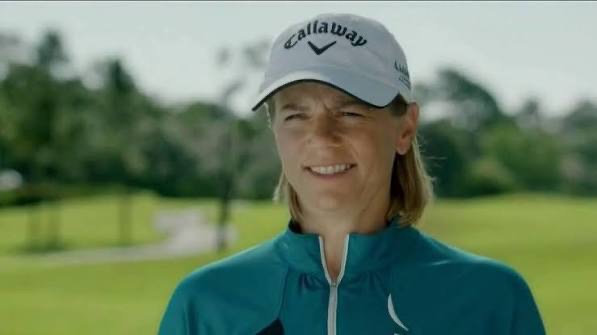
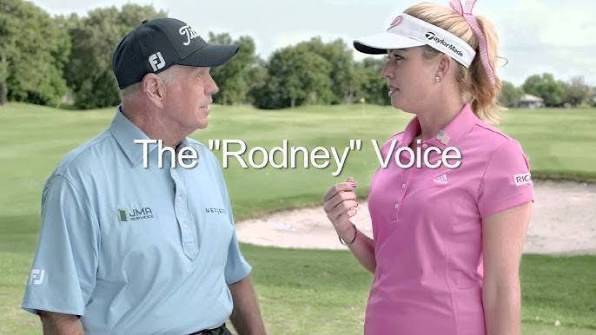
Communications Strategy - Rather than launching a traditional educational campaign, we built a consumer-first communications platform that made the message memorable and culturally relevant. Anchored by the iconic “While We’re Young” line from Caddyshack, the campaign featured golf legends and recognizable personalities—including Tiger Woods, Arnold Palmer, Annika Sörenstam, Paula Creamer, Butch Harmon, and Clint Eastwood—in a series of humorous public service announcements. The integrated strategy combined the research behind the initiative, earned media, digital engagement, broadcast distribution, and a public pledge campaign that invited golfers to become ambassadors for faster play. The campaign also included an industry-wide resource center website with research, best practices and educational tools to manage pace of play, along with a first data-driven pace of play model for course operators, moving the discussion from anecdote to science.
Campaign Results - The campaign transformed an operational issue into a national conversation, generating over 100 stories during the 2013 U.S. Open week—including AP, CBS News, Golf Channel, Golf Digest, GolfWeek, New York Times, Sports Business Journal, USA Today—while positioning the USGA as a proactive leader committed to the long-term health of the game. Moreover, it demonstrated how strategic storytelling and trusted voices can influence behavior more effectively than policy alone.